Global Japanese Sushi Rolls
Highlighted under: International Food | World Cuisine
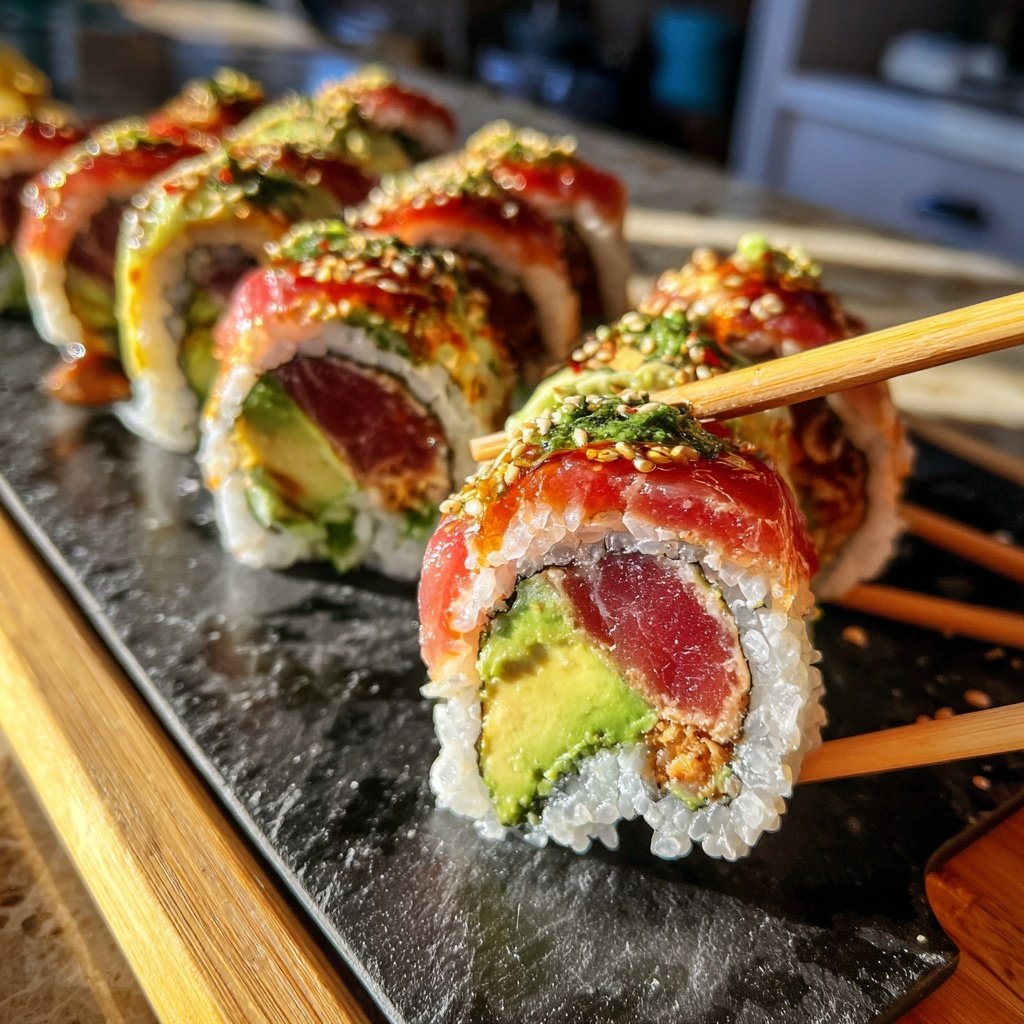
When I first ventured into making sushi at home, I was intimidated. I knew I wanted a recipe that was not only authentic but also flexible enough to allow for creativity. These Global Japanese Sushi Rolls turned out to be the perfect blend of tradition and innovation, incorporating delightful flavors from around the world. From fresh seafood to vibrant vegetables, each roll is an adventure that excites the senses. Trust me, once you master the basics, you’ll be rolling out your creations in no time!
As I dove into the art of sushi-making, I discovered just how versatile and fun it can be. Initially, I followed traditional recipes, but soon I found myself experimenting with unique ingredients like avocado and spicy crab that represent flavors from across the globe. The combination of fresh, quality ingredients and creativity is what truly elevates these rolls.
One special tip I learned is to ensure your rice is slightly warm when spreading it on the nori; this makes it easier to roll and helps the rice stick better. Enjoying these sushi rolls is not just a meal—it's an experience!
Why You Will Love This Recipe
- Creative fusion of flavors and textures
- Easy enough for beginners to master
- A fun way to impress friends and family
Understanding Sushi Rice
Sushi rice is the foundation of any great sushi roll, and mastering it is crucial. The ideal sushi rice is sticky yet perfectly cooked. To achieve this, rinse the rice thoroughly until the water runs clear; this removes excess starch and prevents clumping. Cook it according to the package instructions, usually about 20 minutes on low heat, then let it steam off the heat for an additional 10 minutes. Mixing in the seasoned vinegar while the rice is still warm enhances its flavor and stickiness, ensuring your sushi rolls hold together beautifully.
The ratio of vinegar to rice is important for achieving the right balance of flavor. The addition of sugar adds a hint of sweetness, which complements the savory flavors of fillings like crab meat or smoked salmon. Taste your sushi rice before rolling; it should feel slightly sticky but not gummy, with a subtle tanginess from the vinegar. If it’s too dry, you can gently mist it with water while fluffing. This simple attention to detail elevates your sushi experience.
Choosing Your Fillings
One of the best aspects of making sushi at home is the flexibility in choosing your fillings. While this recipe features cucumber, avocado, and crab meat or smoked salmon, feel free to get creative. Try adding pickled vegetables for an additional tang, or even tropical fruits like mango for a refreshing twist. If you prefer a vegetarian version, consider using marinated tofu or roasted bell peppers. Each filling contributes unique flavors and textures, adding to the overall harmony of your roll.
Remember to slice your fillings thinly and evenly to allow for easy rolling and consistent texture. For example, when using avocado, aim for slices about 1/4 inch thick. This ensures a smooth distribution of creaminess throughout the roll. If your avocado isn’t ripe enough, lightly squeeze lime juice on it to enhance the flavor and keep it from browning quickly. Experiment with various combinations to find your favorite flavor harmony—sushi is as much about creativity as it is about tradition!
Rolling Techniques and Tips
When it comes to rolling the sushi, practice makes perfect. Ensure that your bamboo mat is covered with plastic wrap to make cleanup easier and to prevent the rice from sticking to the mat. As you lift the edge of the mat, use a gentle, consistent pressure while tucking the roll tightly, making sure to roll away from yourself until the filling is securely encased. If your nori tears while rolling, don’t fret! Just overlap the torn pieces slightly as you continue rolling. This will keep your roll intact.
Using a sharp knife is essential for slicing your sushi. Run it under hot water to warm the blade, which helps make cleaner cuts through the rice and fillings. Aim for swift, steady motions to avoid squishing the roll. Also, cutting at a slight angle creates visually appealing pieces. Ideally, you should slice the roll into 6 to 8 pieces; this portioning not only makes it easier to eat but also showcases the vibrant colors of your ingredients. After slicing, serve immediately for the best experience!
Ingredients
Gather the following fresh ingredients to start crafting your sushi rolls:
Sushi Roll Ingredients
- 2 cups sushi rice
- 1/4 cup rice vinegar
- 2 tbsp sugar
- 1 tsp salt
- 4 sheets nori (seaweed)
- 1 cucumber, thinly sliced
- 1 avocado, sliced
- 4 oz crab meat or smoked salmon
- Soy sauce (for serving)
- Wasabi and pickled ginger (optional)
Ensure that all ingredients are prepped and ready before you begin rolling your sushi!
Instructions
Follow these steps to create your own Global Japanese Sushi Rolls:
Prepare Sushi Rice
Rinse the sushi rice under cold water until the water runs clear. Cook the rice according to package instructions, then transfer it to a bowl. Mix the rice vinegar, sugar, and salt and gently fold it into the warm rice. Allow it to cool slightly.
Set Up Your Rolling Station
Lay a bamboo sushi mat on a flat surface and place a sheet of nori, shiny side down, on top of it. Wet your hands to prevent sticking.
Assemble the Sushi Roll
Spread a thin layer of rice over the nori, leaving about an inch at the top edge. Arrange your fillings—cucumber, avocado, and crab meat—horizontally across the center of the rice.
Roll the Sushi
Using the mat, gently lift the edge of the mat closest to you and begin to roll it away from you, pressing lightly to shape the sushi into a log. Continue rolling until the nori seals at the edge.
Slice and Serve
Using a sharp knife, slice the sushi roll into 6-8 pieces. Serve with soy sauce, wasabi, and pickled ginger.
Enjoy your homemade sushi rolls with your favorite dipping sauces!

Pro Tips
- Experiment with different fillings and toppings to make each roll unique. Also, when slicing, wet your knife to avoid sticking.
Storage and Make-Ahead Tips
If you want to prepare sushi in advance, it’s best to assemble the rolls just before serving. The rice can be made a day ahead and stored in an airtight container in the refrigerator, but it's important to let it come back to room temperature before using it. If you store pre-rolled sushi, it can dry out quickly, so wrap each roll tightly in plastic wrap to maintain moisture, and consume them within a day for the best flavor and texture.
When it comes to storing leftover sushi rolls, Keep in mind that the texture of fresh vegetables like cucumber and avocado may alter. If you have sushi components remaining, store cooked proteins and sliced vegetables separately in the refrigerator. This allows you to assemble fresh rolls the next day without sacrificing quality. Keeping the various components separate until you're ready to roll is key to maintaining freshness.
Variations and Flavor Combinations
Feel free to explore international flavors within your sushi rolls. Incorporate ingredients like spicy mayo, teriyaki sauce, or kimchi for a bold twist. You can also experiment with different types of nori—try using brown rice nori for a nuttier flavor or seaweed salad for an extra crunch. Transform classic sushi rolls into a fusion by incorporating elements from your favorite dishes—like adding diced jalapeños for a kick or pickled onions for added acidity.
Consider different presentation styles as well. Roll your sushi into bite-sized pieces, or create a sushi platter with a variety of fillings for an impressive family-style meal. You can even make temaki, or hand rolls, by shaping your nori into a cone and stuffing it with ingredients for a fun, casual dining experience. These variations keep things exciting and allow your culinary creativity to shine while you enjoy the art of sushi making.
Questions About Recipes
→ Can I use brown rice instead of sushi rice?
Yes, but the texture and flavor will be different. Sushi rice is sticky and helps hold the roll together.
→ What can I substitute for seafood?
You can use vegetables like bell peppers, carrots, or even cooked chicken or tofu for a vegetarian option.
→ How do I store leftover sushi rolls?
Wrap tightly in plastic wrap and store in the refrigerator for up to 24 hours.
→ Can I prepare sushi rolls in advance?
It's best to make sushi rolls fresh; however, you can prepare the rice and ingredients a few hours ahead.
Global Japanese Sushi Rolls
Created by: The Chefkylecooks Team
Recipe Type: International Food | World Cuisine
Skill Level: Beginner
Final Quantity: 4 rolls
What You'll Need
Sushi Roll Ingredients
- 2 cups sushi rice
- 1/4 cup rice vinegar
- 2 tbsp sugar
- 1 tsp salt
- 4 sheets nori (seaweed)
- 1 cucumber, thinly sliced
- 1 avocado, sliced
- 4 oz crab meat or smoked salmon
- Soy sauce (for serving)
- Wasabi and pickled ginger (optional)
How-To Steps
Rinse the sushi rice under cold water until the water runs clear. Cook the rice according to package instructions, then transfer it to a bowl. Mix the rice vinegar, sugar, and salt and gently fold it into the warm rice. Allow it to cool slightly.
Lay a bamboo sushi mat on a flat surface and place a sheet of nori, shiny side down, on top of it. Wet your hands to prevent sticking.
Spread a thin layer of rice over the nori, leaving about an inch at the top edge. Arrange your fillings—cucumber, avocado, and crab meat—horizontally across the center of the rice.
Using the mat, gently lift the edge of the mat closest to you and begin to roll it away from you, pressing lightly to shape the sushi into a log. Continue rolling until the nori seals at the edge.
Using a sharp knife, slice the sushi roll into 6-8 pieces. Serve with soy sauce, wasabi, and pickled ginger.
Extra Tips
- Experiment with different fillings and toppings to make each roll unique. Also, when slicing, wet your knife to avoid sticking.
Nutritional Breakdown (Per Serving)
- Calories: 300 kcal
- Total Fat: 5g
- Saturated Fat: 1g
- Cholesterol: 20mg
- Sodium: 300mg
- Total Carbohydrates: 57g
- Dietary Fiber: 5g
- Sugars: 1g
- Protein: 8g